by Karen Loftus, CAN Chief Executive
We commend Dorset Community Foundation for its vital work in publishing the “Hidden Dorset” report. It’s a necessary, powerful, and often sobering read that shines a crucial light on the escalating, multi-layered needs of our community, especially following the major pandemic and the cost-of-living crisis.
The report clearly validates what we, in the Voluntary and Community Sector (VCS), have been experiencing on the frontline:
- Poverty and Disadvantage: There’s been a significant rise in hardship, evidenced by a 20.3% increase in Universal Credit claimants in BCP Council area and 23.3% in the Dorset Council area between 2018 and 2023, far outpacing the UK average rise of 13.8%. Alarmingly, 165,100 households with children in the county can’t afford a healthy diet.
- Mental Health Crisis: The probable incidence of mental health problems in 5-16-year-olds has jumped from 10.8% in 2017 to 16.0% in July 2020. This suggests up to 8,300 young people in the BCP area and 7,500 in the Dorset Council area are struggling.
- Isolation and Loneliness: This is a persistent issue, particularly for our older population. Just under one in six (16%) of Dorset’s households are lone households where the resident is over 66, compared to 13% nationally. The proportion of adults in the Dorset Council area who felt lonely “often” or “always” increased from 5% in May 2020 to 7.2% in February 2021.
This is not a story of a short-term crisis but a long-term reality. It demands a response that is built on values we hold dear, such as Compassion, Collaboration, and Respect.
The role of the VCS in supporting healthy, happy communities
The “Hidden Dorset” report highlights that grassroots community groups are vital in responding to local needs, especially where statutory services are stretched. Our work at CAN is dedicated to championing these groups because they are the very foundation of healthy, happy Communities.
Compassion in action, action with heart
Compassion means understanding and responding to the distress of others. Our partner groups demonstrate this daily:
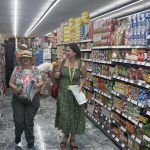
- Addressing Basic Needs: The surge in food poverty means the proportion of DCF grants supporting food provision has soared from 5% before March 2020 to 37% since then. Whether it’s food banks, community fridges, or social supermarkets (which have grown to 5 in the Dorset Council area and 2 in BCP), these essential groups provide dignified, immediate relief.
- Targeted Support: We recognise that marginalised groups, including those with Special Educational Needs (SEN) and disabilities, and ethnic minorities (who make up 9% of the BCP population and 6.1% of the Dorset Council population) face additional barriers of stigma and discrimination. Our support focuses on helping groups create inclusive, respectful spaces where everyone feels safe and understood.
Collaboration for greater impact
No single organisation can solve these complex problems alone. Collaboration is the bridge between need and resolution.
- Bridging Services: The report notes that a move to social prescribing is positive, but groups struggle to meet demand. CAN works to strengthen the VSC’s capacity, ensuring that groups providing mental health, advice, or loneliness support (like those working with the 35,500 unpaid carers in the Dorset Council area) are resilient and integrated into wider health and social care systems.
- The Wellbeing of the Sector: Crucially, we must acknowledge the immense emotional and practical burden placed upon those on the frontline. The statistics on rising mental health issues and poverty are not abstract; they are the daily reality for our charity staff and volunteers. For CAN, supporting the well-being of our own staff and advocating for resources to sustain the wider sector’s workforce is not a ‘nice-to-have’—it is an essential act of Compassion and a necessity for effective, long-term community support.
- Shared Learning: By facilitating networks, we encourage groups to share best practices, such as the peer-to-peer approaches highlighted in the report, which effectively reduce loneliness and can lead to increased volunteering.
Respecting potential and dignity
Our commitment to Respect means acknowledging the inherent dignity and potential in every person, regardless of their circumstances.
- Tackling Systemic Barriers: The report speaks to a culture of benefit-dependent lifestyles for some with SEN/disabilities, not due to lack of skill, but due to institutional barriers. Our support helps groups advocate for and provide the individually tailored, long-term support needed to empower vulnerable individuals to access employment or self-employment.
- Empowering the Next Generation: With financial pressures increasing the risk of young people dropping out of education, we must respect their futures. We back groups that address the fundamental lack of self-worth, aspirations, and social skills needed to thrive.
Next steps
The evidence is clear: the challenges of hidden need in Dorset are significant and growing. The Voluntary and Community Sector is responding with agility, Compassion, Collaboration, and Respect.
CAN will utilise the “Hidden Dorset” data to refine our strategy, ensuring that our resources and expertise are directed where they can best strengthen the local groups that are building healthy, happy communities every day. We urge all stakeholders, councils, businesses, and residents to read this report and join us in supporting these vital front-line efforts.
Join Us: Turning Insight into Action
The “Hidden Dorset” report is a roadmap for those committed to positive change. To see the full scope of how we translate Compassion, Collaboration, and Respect into tangible outcomes, we invite you to take the next step with us.
- Our impact: Dive deeper into our achievements, challenges, and goals by viewing the CAN Annual Report 2024/2025.
- A personal invitation: My door is always open. If you are a funder, a community leader, or simply passionate about addressing the hidden needs in our county, I would welcome the opportunity to meet and discuss how we can collaborate to build healthy, happy communities. Please contact hello@can100.org to arrange a meeting.